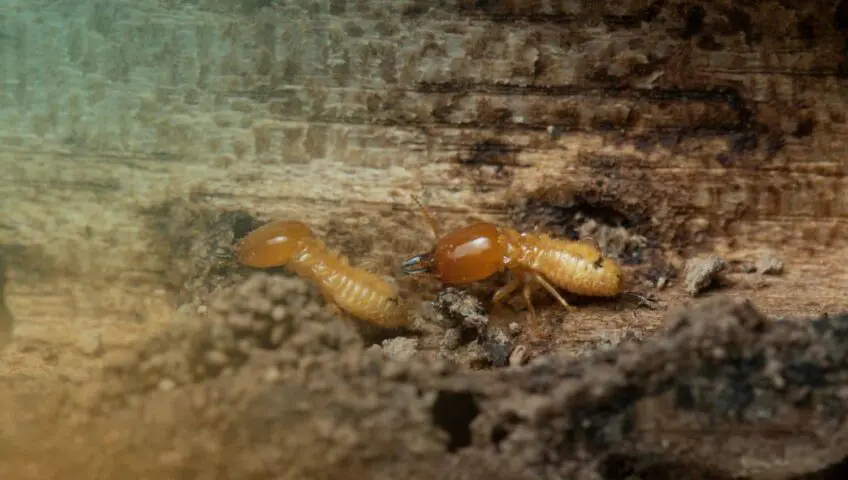
Termite droppings are one of the earliest signs that termites may be inside a home. Many homeowners in Florida first notice small piles of grainy material near baseboards, windowsills, or garage walls without realizing what they are.
Some brush the material away only to find it back again days later. Because termites hide inside walls, their droppings can sometimes be the only visible clue that an active colony is nearby.
This guide explains what termite droppings look like, where to find them, and what other signs may point to an infestation. Knowing these details helps you act quickly and protect your home before the problem grows.
Why Termite Droppings Matter
Droppings, also called frass, help confirm that termites are active in or near the structure. Subterranean and drywood termites both leave waste behind, but the appearance and location can help narrow down which type may be involved.
Droppings matter because:
- They are one of the few early clues termites leave behind
- They show that termites are feeding on wood close to the surface
- They can signal a colony that has been active for months
- They help guide a professional inspection
In Florida, early clues are important because termite activity is constant throughout the year. Statewide pest data shows that termites cost homeowners millions of dollars annually, and most infestations remain hidden until damage becomes noticeable.
Droppings give homeowners a chance to catch the problem long before structural issues develop.
What Termite Droppings Look Like
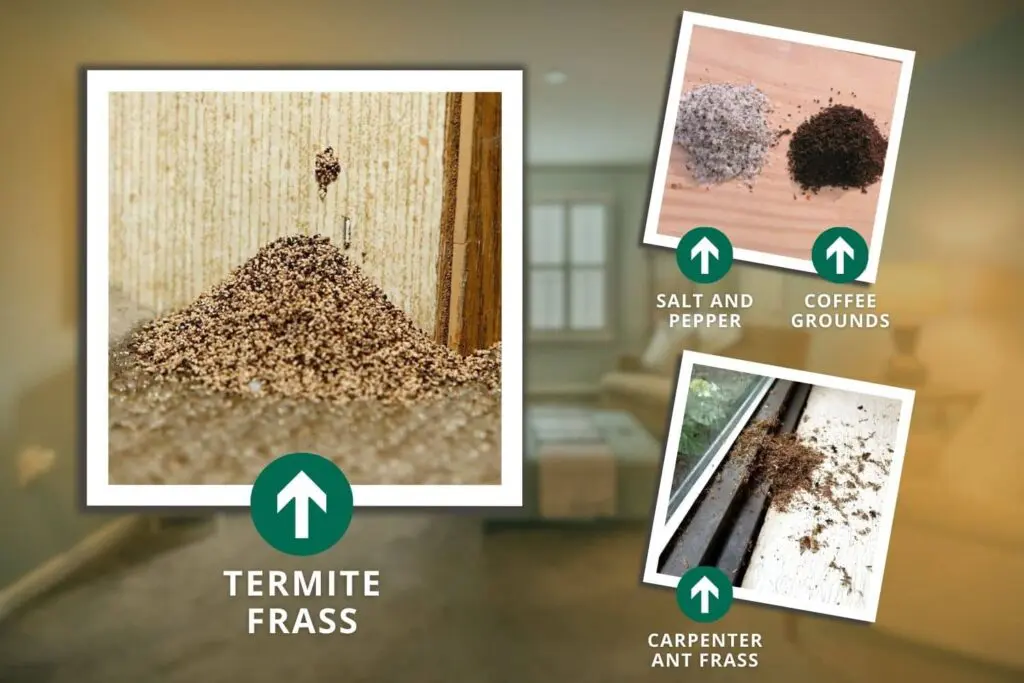
Termite droppings are small, dry pellets that often look like pepper, coffee grounds, or fine sand. Each pellet is tiny, but termites push out enough of them that they form noticeable piles.
Key details to look for:
- Size similar to grains of salt or fine grit
- Hard, dry pellets that stay uniform in shape
- Colors that range from tan to dark brown
- Small, rounded or oval shapes under close inspection
The shape and size of the pellets help distinguish them from household dust or debris. Many homeowners first notice the piles because they appear neatly collected, almost like someone poured a small amount of sand in one spot.
Termites also create droppings in response to how they digest wood. Drywood termites remove moisture from their waste before expelling it, which is why the pellets come out dry and firm instead of soft or flaky.
Common Places to Find Termite Droppings
Droppings often collect in quiet or less-traveled areas. If termites are feeding nearby, they continue to push pellets out through tiny openings.
Look for droppings in:
- Windowsills and sliding door tracks
- Baseboards or floor trim
- Attic rafters or insulation
- Garage walls
- Behind furniture that rarely gets moved
- Beneath picture frames, shelves, and hanging decor
- Along cracks in drywall or paneling
Droppings near windows are especially common. Sunlight and heat draw drywood termites closer to the surface, and the wood around frames often develops natural gaps as the home settles.
In garages or attics, homeowners may notice frass on stored boxes, tools, or insulation. Since these areas are not cleaned often, droppings can build up more noticeably.
How Termite Droppings Accumulate
Termites push pellets out through small exit holes in the wood. These holes are not large, but they allow droppings to fall out a little at a time. Over days or weeks, the pellets form a small mound near the feeding site.
Pellet buildup can also appear suddenly. If pellets collect inside a wall cavity first, a large pile may fall out once the opening shifts or becomes more exposed. This is why many homeowners report waking up to a new pile that was not visible the day before.
Understanding how droppings accumulate helps homeowners see patterns and identify which areas need a closer look.
What Termite Droppings Are Not
Droppings are easy to confuse with sawdust, ant debris, or tracked-in dirt. Recognizing the difference helps avoid misidentifying an early warning sign.
Not Sawdust
Sawdust flakes apart easily and looks lighter and softer. Termite droppings stay firm and uniform. Sawdust also piles unevenly and may appear below areas where no wood is being touched.
Not Ant Frass
Carpenter ant debris contains small pieces of wood and sometimes insect parts. Termite pellets look cleaner and more uniform. Ant frass also varies in color because it includes whatever the ants remove from their tunnels.
Not Regular Household Dust
Dust spreads with airflow and gathers across wide surfaces. Droppings stay in a tight pile near one spot and do not spread unless physically moved.
Correctly identifying what you are seeing is one of the most important early steps in catching termite activity.
Why You Should Never Vacuum or Dispose of Droppings Right Away
Cleaning droppings too soon makes it harder to track patterns. Professionals use the location and amount of frass to find where termites are feeding.
Leaving the droppings in place helps with:
- Spotting small exit holes
- Identifying termite type
- Understanding how long the activity has been present
- Locating hidden galleries behind walls or wood trim
Many professionals recommend taking a clear photo before cleaning. This provides a helpful record of where and how the pellets appeared.
Other Signs of a Termite Infestation
Droppings are not the only sign of termite activity. Termites often leave several clues behind.
Hollow or Soft Wood
Wood that sounds hollow when tapped may have been eaten from the inside. The outer surface can remain intact, giving homeowners a false sense of security. In Florida, moisture can blend with termite damage, so soft wood should always be checked.
Discarded Wings
Swarmers shed their wings after finding a nesting spot. Wings often collect near doors, windows, or lights. Warm winters and long humid seasons in Florida can extend swarming activity and make it more unpredictable.
Mud Tubes
Subterranean termites build pencil-thin mud tunnels along foundations and walls. These tubes protect termites from air and light.
Small Pinholes in Drywall or Wood
Drywood termites create small holes where they push out pellets. Several holes in one area can indicate a growing colony.
Warped Doors or Sticking Windows
Frames may shift or warp when termites weaken the wood. Homeowners often assume this is normal settling, but repeated sticking can indicate interior wood damage.
Rustling Sounds Inside Walls
Light rustling or faint ticking noises can sometimes be heard at night. These sounds often come from termites moving or feeding inside hollowed wood.
Why Termite Problems Grow Quickly in Florida
Florida’s climate creates perfect conditions for termites. Warm temperatures, moisture, and long swarming seasons allow colonies to expand faster than in many other parts of the country.
Termite pressure increases because:
- Active feeding continues through every season
- Moisture from rain and humidity softens wood fibers
- Coastal winds spread swarmers into neighborhoods
- Older Florida homes may develop natural gaps over time
- Landscaping near the siding provides easy access points
Research shows that termite colonies can cause thousands of dollars in damage before homeowners notice structural signs. This is why recognizing droppings early is so important.
Droppings From Drywood vs Subterranean Termites
The appearance and location of frass can change depending on the type of termite inside the home.
Drywood Termites
Drywood termites live inside the wood they feed on. They push their droppings out through small kick-out holes. Homeowners often find frass piles directly below baseboards, frames, shelves, or furniture.
Pellets may also fall from wall cavities, attic beams, or roof decking. A sudden pile of frass can simply mean that the opening changed slightly, not that the activity is new.
Subterranean Termites
Subterranean termites mix their waste with soil. Since their colonies live underground, frass is rarely visible. Instead, homeowners notice mud tubes, moisture spots, or weakened wood.
Knowing which type of termite is involved helps guide the right treatment plan. Florida homes often face both types, especially in coastal counties like Brevard.
Related Questions Homeowners Ask
Can droppings appear even if termites have moved?
Yes. Pellets can continue falling from older exit holes even if termites expand deeper into the wood.
Do droppings always mean an active infestation?
Fresh pellets are dry, grainy, and uniform. If you brush them away and they return, activity is very likely.
Can droppings fall from attic beams or roof decking?
Yes. Many Florida roofs have wooden trusses that drywood termites target. Pellets may fall onto insulation or stored items.
What if droppings appear outdoors?
Frass can fall from wooden fences, patio structures, or soffits. Outdoor piles still indicate activity nearby and should not be ignored.
When to Call a Professional
Call a professional as soon as you see signs that termites may be active. Droppings alone are reason enough to get the home inspected.
Seek expert help if you notice:
- Repeated piles of droppings in the same area
- Wings, mud tubes, or hollow-sounding wood
- Soft spots along baseboards or frames
- Pinholes in drywall or trim
- Sawdust-like material that keeps returning
- Termite activity in fences, sheds, or decks
Professionals use tools to locate termite galleries in walls, floors, ceilings, and roof structures. This help is essential for choosing the right treatment and protecting the home long term.
Conclusion
Termite droppings are an important early warning sign that termites may be active inside your home. Spotting and understanding these pellets gives you a valuable head start in preventing damage. In Florida, where termites stay active throughout the year, early detection is one of the strongest ways to protect your home.
If you notice droppings, damaged wood, or any other sign of activity, Slug-A-Bug can provide a detailed inspection and recommend the right treatment plan for your home.
