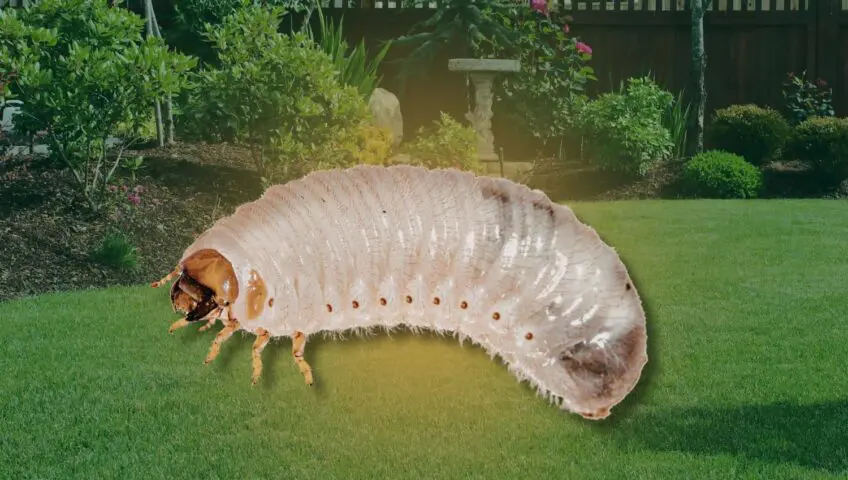
Florida lawn pests pose challenges that homeowners in other parts of the country rarely experience. Warm temperatures, frequent rainfall, sandy soil, and long growing seasons create ideal conditions for pests that live, feed, and reproduce directly in turf.
Many lawn pests remain hidden below the surface. Homeowners often do not notice a problem until the grass begins to thin, turn brown, or pull up easily from the soil. By that point, pests may already be well established and actively damaging the lawn’s root system.
For Brevard County residents, where lawns are used year-round and outdoor living is part of daily life, keeping pests under control is essential for maintaining healthy turf and preventing damage from spreading into landscaping and exterior areas.
Why Florida Lawns Are So Attractive to Pests
Florida’s climate allows many lawn pests to remain active for most of the year. Unlike colder regions, where insects die off or go dormant during winter, Florida pests often continue feeding and reproducing even during cooler months.
Several conditions make Florida lawns especially appealing:
- Warm soil temperatures that support continuous breeding
- Frequent rainfall that keeps the soil moist
- Sandy soil that allows pests to move easily underground
- Thick turf that provides food and shelter
These factors work together to shorten pest life cycles.
According to the University of Florida IFAS Extension, many turfgrass pests in Florida can complete multiple generations in a single year. This means infestations can grow quickly, often before homeowners realize there is a problem.
In coastal areas like Brevard County, lawns also experience higher humidity and frequent irrigation, which further supports pest activity. Without monitoring, pests can establish themselves and spread rapidly across large sections of turf.
Signs That Lawn Pests May Be Present
Lawn pests do not always make themselves obvious. Because many species feed on roots rather than grass blades, visible damage often appears before insects are seen.
Common warning signs include:
- Irregular brown or yellow patches
- Grass that lifts easily from the soil
- Thinning turf despite proper watering
- Increased bird or animal activity in the yard
- Insects are visible after watering or rainfall
Each of these signs points to activity below the surface.
Grass that pulls up easily usually indicates root damage rather than drought. Birds digging in turf often mean insects or grubs are present near the root zone. Seeing insects after irrigation can signal pests emerging to the surface.
Recognizing these patterns early allows homeowners to investigate further instead of treating symptoms alone.
Most Common Florida Lawn Pests
Florida lawns host many insects, but a smaller group is responsible for most turf damage.
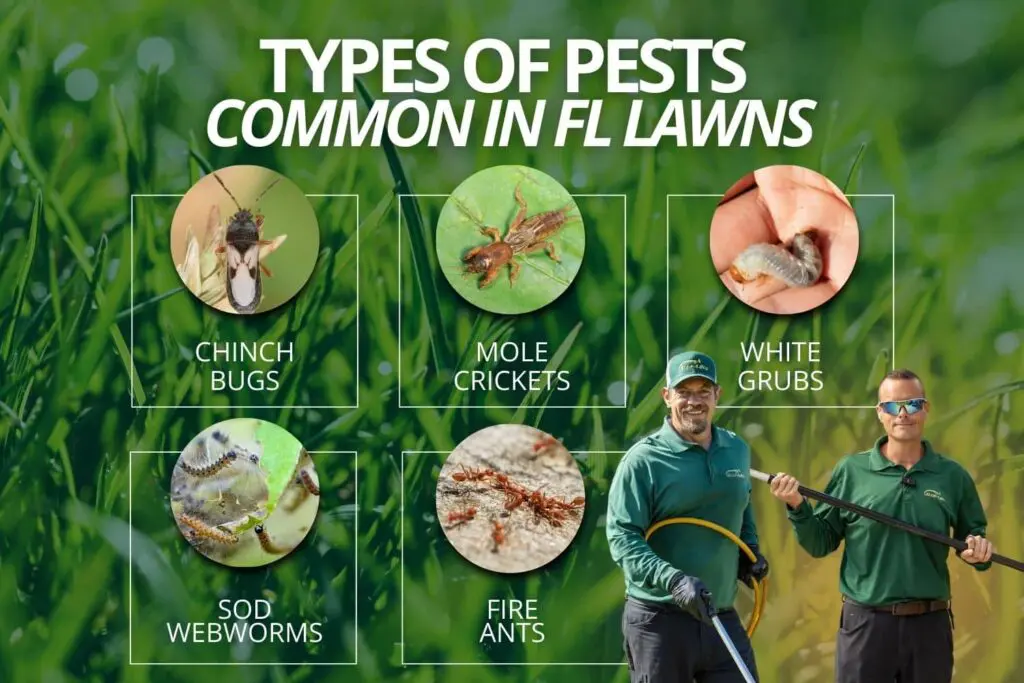
Chinch Bugs
Chinch bugs are one of the most destructive lawn pests in Florida, especially in St. Augustine grass. They feed by piercing grass blades and sucking out fluids while injecting toxins that block water movement.
Damage typically starts in sunny, dry areas and spreads outward. According to UF IFAS, chinch bugs are the leading insect pest of St. Augustine turf in Florida, making them a frequent concern for Brevard County homeowners.
Mole Crickets
Mole crickets damage lawns through tunneling and root feeding. Their underground movement loosens soil and disrupts root systems, which causes turf to dry out and die.
Affected lawns may feel spongy underfoot or show raised tunnels. Damage often increases during warm, wet months when soil conditions are favorable.
White Grubs
White grubs are beetle larvae that feed on grass roots beneath the surface. Infested turf may appear wilted and can often be rolled back like a carpet.
Grub damage is commonly mistaken for drought stress. Increasing irrigation in response can worsen the problem by creating moist soil conditions that grubs prefer.
Sod Webworms
Sod webworms feed on grass blades near the soil surface. Damage often begins as small brown patches that slowly expand.
Adult moths flying low over the lawn at dusk are a common sign that larvae are present below.
Fire Ants
Fire ants build visible mounds and disturb turf through tunneling. Beyond lawn damage, they pose safety concerns due to painful stings, particularly for children and pets.
Fire ants thrive in sunny, disturbed soil and can spread quickly across lawns if not controlled.
Common Florida Lawn Pests and Their Impact
|
Lawn Pest |
Primary Damage |
Grass Types Affected |
Activity Pattern |
|
Chinch Bugs |
Fluid feeding and toxin injection |
St. Augustine |
Warm, dry periods |
|
Mole Crickets |
Root damage and tunneling |
Bermuda, Bahia |
Spring through fall |
|
White Grubs |
Root feeding |
Multiple turf types |
Late summer to fall |
|
Sod Webworms |
Leaf feeding |
St. Augustine, Bermuda |
Evening and night |
|
Fire Ants |
Mounding and stings |
All turf types |
Year-round |
Lawn damage can look very different depending on the pest involved. Root feeders weaken turf from below, while surface feeders create patchy discoloration.
How Florida Lawn Pests Spread and Multiply
Lawn pests spread in several ways, often without homeowners realizing it.
Common contributors include:
- New sod or soil brought onto the property
- Overwatering that keeps the soil consistently moist
- Thatch buildup that provides shelter
- Nearby untreated lawns
Once pests establish themselves, they often spread outward from a central area. Because many Florida lawn pests reproduce quickly, infestations can expand within weeks rather than months.
Why DIY Treatments Often Fall Short for Florida Lawn Pests
Many homeowners attempt to treat lawn pests with store-bought products. While these may help in mild cases, they often fail to address the full problem.
Common challenges include:
- Incorrect pest identification
- Improper timing of treatment
- Products that only target surface insects
- Inconsistent application coverage
UF IFAS emphasizes that effective lawn pest control depends on identifying the specific insect and treating it at the correct life stage. Applying products too early or too late often reduces effectiveness and allows populations to rebound, leading to repeated damage.
Preventing Lawn Pests Through Proper Lawn Care
Healthy lawns are more resilient against pest pressure. While no lawn is completely pest-proof, good care practices reduce the risk of severe infestations.
Helpful prevention steps include:
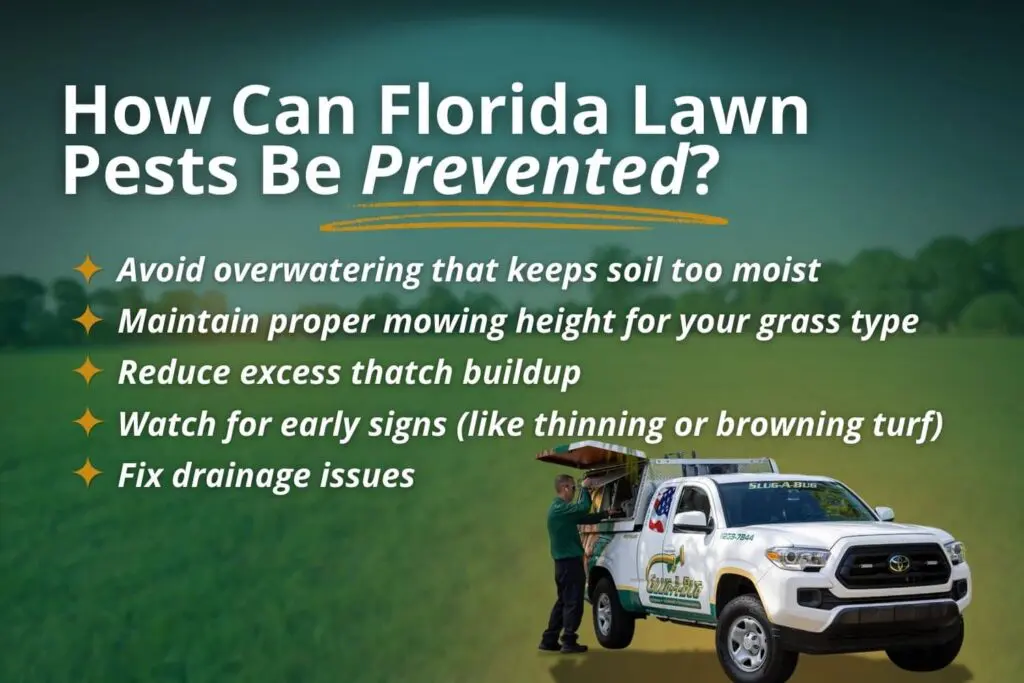
- Avoiding excessive watering
- Maintaining proper mowing height
- Reducing thatch buildup
- Addressing drainage issues
- Monitoring turf regularly
For example, overwatering creates moist soil that attracts grubs and mole crickets. Mowing too short stresses turf and makes it more vulnerable to chinch bugs. Balanced lawn care supports stronger root systems that can tolerate minor pest activity without visible damage.
Seasonal Lawn Pest Patterns in Brevard County
Lawn pests follow seasonal patterns influenced by temperature and rainfall.
- Spring: Mole crickets and chinch bugs increase activity as temperatures rise
- Summer: Grubs and sod webworms peak during warm, wet conditions
- Fall: Late-season feeding can weaken turf before cooler weather
- Winter: Some pests slow down but remain present below the surface
Because Brevard County experiences mild winters, lawn pests often remain active longer than in northern regions. This extended activity window makes year-round monitoring especially important for homeowners.
How Professional Lawn Pest Control Helps
Professional lawn pest control focuses on accurate identification, targeted treatment, and long-term prevention rather than one-time fixes.
Professionals evaluate:
- Which pest species are present
- Severity and spread of infestation
- Turf type and lawn condition
- Environmental factors such as moisture and shade
This approach allows treatments to be tailored to the specific problem instead of applying broad products that may not fully resolve the issue.
Slug‑A‑Bug provides lawn care and pest control services designed for Florida’s climate, helping homeowners manage lawn pests while supporting healthier turf.
Other Lawn and Pest Questions Homeowners Ask
Can Lawn Pests Spread Toward the Home?
Some lawn pests can migrate toward foundations or landscaping beds when turf becomes stressed. Managing the pests helps reduce this movement and protects nearby areas.
Are Lawn Pests Dangerous to Pets?
Certain pests, such as fire ants, pose risks to pets through stings or irritation. Keeping lawns under control helps create safer outdoor spaces.
Does Lawn Damage Always Mean Insects?
Not always. Fungal diseases, irrigation problems, and nutrient deficiencies can look similar to pest damage. Proper identification prevents unnecessary treatments.
How Often Should Lawns Be Checked for Pests?
Regular monitoring during warm months allows homeowners to catch issues early, before damage spreads across the lawn.
When to Call a Professional About Florida Lawn Pests
Homeowners should get professional guidance and treatment when:
- Lawn damage spreads quickly
- Pests return after DIY treatment
- Multiple areas of the lawn are affected
- Safety concerns arise from stinging insects
Early intervention often reduces damage and shortens treatment time.

Conclusion
Florida lawn pests are a common challenge, especially in warm coastal areas like Brevard County. Understanding which pests are most active, how damage appears, and when to take action helps homeowners protect their lawns and outdoor spaces.
By monitoring turf regularly and addressing issues early, homeowners can keep lawn pests under control and maintain healthier grass throughout the year. Get in touch with the Slug-A-Bug team today.
