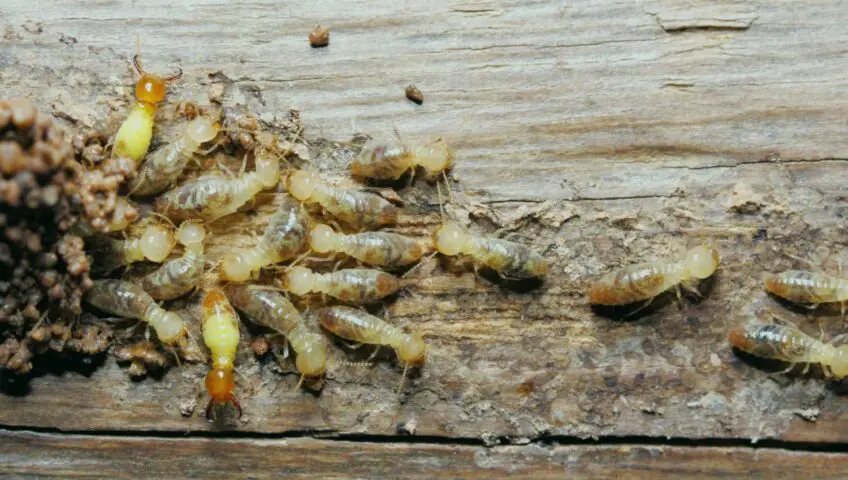
Termites in Florida have the perfect conditions to thrive. They stay active year-round in the Sunshine State, causing billions of dollars in property damage annually. Brevard County homes face particularly high termite pressure due to coastal moisture, sandy soil, and consistent temperatures that keep termite colonies active in every season.
Understanding why termites target Florida homes and what you can do to protect your property helps you avoid costly damage. Whether you live in Melbourne, Cocoa Beach, Palm Bay, or anywhere along the Space Coast, termite prevention should be part of your home maintenance plan.
Why Florida’s Climate Is Perfect for Termites
Termites need three things to survive: warmth, moisture, and wood. Florida provides all three in abundance. Unlike northern states, where termites go dormant in winter, Florida’s mild climate allows termite colonies to stay active and grow year-round.
Climate factors that favor termites:
- Consistent warmth: Temperatures rarely drop low enough to slow termite activity
- High humidity: Coastal areas and summer weather provide constant moisture
- Heavy rainfall: Florida’s wet season creates ideal conditions for colony expansion
- Mild winters: No cold weather to kill off colonies or pause reproduction
- Hurricane season: Storm damage creates entry points and excess moisture
Brevard County’s location along Florida’s east coast compounds these factors. Salt air, afternoon thunderstorms, and proximity to water keep humidity levels high. The sandy soil common throughout the Space Coast makes it easy for subterranean termites to build tunnels and access homes.
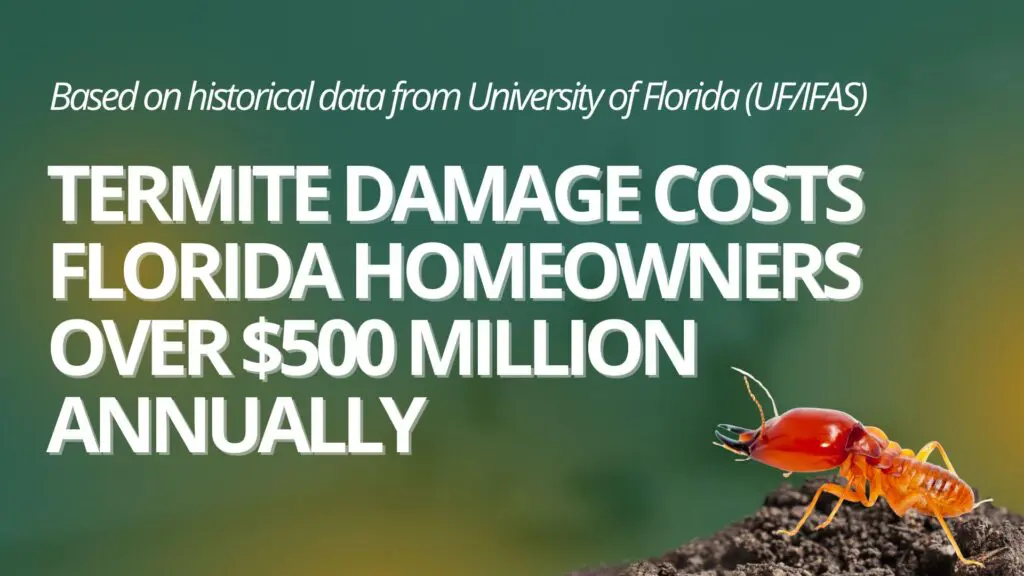
Florida’s Most Common Termite Species
Not all termites behave the same way. Florida hosts several termite species, each with different habits and risks.
Subterranean termites are the most destructive and common throughout Brevard County. These termites live underground in large colonies and build mud tubes to travel between soil and wood, accessing homes through foundation cracks and areas where wood touches the ground.
Drywood termites infest wood directly without needing soil contact. They’re common in coastal areas, including Cocoa Beach and Satellite Beach. Drywood termites create galleries inside wood, pushing out tiny pellets that look like sawdust.
Formosan termites, sometimes called “super termites,” are an aggressive invasive species found in Florida. They build larger colonies, consume wood faster, and cause more extensive damage than native subterranean termites.
Each species requires different treatment approaches, making professional identification important for effective termite control.
Signs of Termite Activity in Your Home
Termites often work hidden inside walls, under floors, and in other concealed spaces. Catching termite activity early minimizes damage and reduces treatment costs.
Watch for these warning signs:
- Mud tubes: Pencil-width tunnels on foundation walls, in crawl spaces, or along baseboards
- Discarded wings: Piles of wings near windows, doors, or on windowsills after termite swarms
- Wood damage: Hollow-sounding wood, sagging floors, or buckling wood
- Frass: Small pellets of termite droppings that look like sawdust or coffee grounds
- Swarmers: Flying termites emerging from walls or soil, especially in spring
- Bubbling paint: Paint that appears water-damaged without an obvious moisture source
- Tight-fitting doors or windows: Warping caused by termite damage and moisture
In Brevard County, termite swarms typically occur in spring and early summer, though warm winters can trigger swarming at other times. Seeing winged termites inside your home indicates an active colony nearby or inside your structure.
Don’t confuse termite swarmers with flying ants. Termites have straight antennae, equal-length wings, and straight bodies. Flying ants have bent antennae, different-sized wings, and pinched waists.
How Termites Access Florida Homes
Termites are persistent and find creative ways into homes. Understanding common entry points helps you eliminate vulnerabilities.
Typical access points:
| Entry Point | Why It’s Vulnerable | Prevention |
|---|---|---|
| Foundation cracks | Direct soil-to-structure contact | Seal cracks, maintain termite barrier |
| Wood-to-ground contact | Maintain a 12-inch gap | Keep wood 6+ inches above soil |
| Remove dead wood from the property | Retains moisture, hides activity | Mulch against the foundation |
| Plumbing penetrations | Gaps around pipes provide entry | Seal openings properly |
| Tree stumps and debris | Food source near home | Remove dead wood from property |
Florida’s construction practices sometimes create termite-friendly conditions. Homes built on slabs may have less visible access points, but termites still find ways through expansion joints and plumbing penetrations.
Landscaping choices matter too. Using pine straw or wood mulch against your foundation provides food and moisture directly adjacent to your home. Keeping firewood or lumber near the house essentially delivers a buffet to termite colonies.
Protecting Your Home from Termites
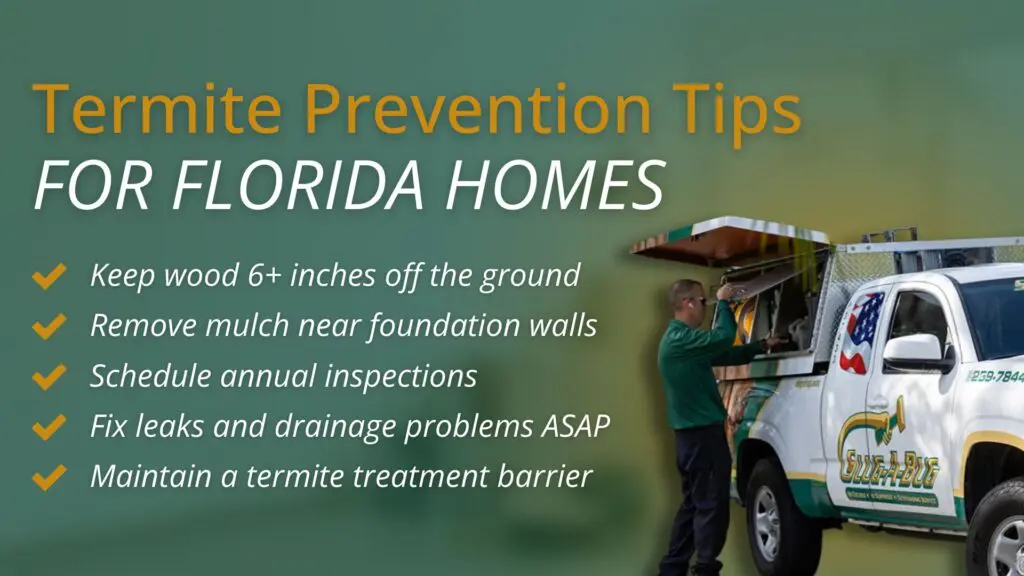
Prevention is always less expensive than treating active infestations. Several strategies reduce your home’s termite risk.
Moisture control prevents termite problems:
- Fix leaky faucets, pipes, and AC condensation lines immediately
- Ensure proper drainage away from your foundation
- Clean gutters regularly so water doesn’t overflow near walls
- Use dehumidifiers in crawl spaces to reduce humidity
- Repair roof leaks promptly
Eliminate wood-to-soil contact:
- Remove old tree stumps and buried wood debris
- Keep firewood stored away from your home and elevated off the ground
- Ensure deck posts and steps don’t touch soil directly
- Trim trees and shrubs away from your home’s exterior
Regular inspections catch problems early:
- Schedule annual professional termite inspections
- Check your foundation for mud tubes during routine yard work
- Monitor vulnerable areas like garage door frames and crawl spaces
Brevard County homeowners should be especially vigilant after hurricanes or tropical storms. Wind damage, flooding, and debris create new entry points and moisture problems that attract termites.
Treatment Options for Termite Control
Once termites establish in your home, professional treatment eliminates colonies and prevents future damage. Several methods work for Florida termites, depending on the species and the extent of the infestation.
- Liquid soil treatments create a chemical barrier in the soil around your foundation. Termites die when they contact or ingest it. This method works well for subterranean termites and provides long-lasting protection.
- Termite bait systems use monitoring stations placed around your property. When termites feed on the bait, they carry it back to the colony, eventually eliminating the entire population. Bait systems work for subterranean and Formosan termites.
- Spot treatments address localized drywood termite infestations by treating specific areas where termites are active.
- Fumigation or tenting treats entire structures for widespread drywood termite infestations. The home is sealed and filled with gas that penetrates all wood, killing termites throughout the structure.
The right treatment depends on the termite species, infestation severity, home construction, and your property’s specific vulnerabilities. Professional pest control companies assess your situation and recommend the most effective approach.
Related Questions
What other pests are common in Brevard County?
Florida’s warm climate supports year-round pest activity, including ants, roaches, mosquitoes, rodents, and palmetto bugs. Integrated pest management addresses multiple pest concerns while protecting your home and family.
How often should I schedule pest control services?
Most Brevard County homes benefit from quarterly pest control treatments that address seasonal pest pressures. Termite-specific services typically include annual inspections with retreatment as needed based on product warranties.
Do termite treatments harm pets or children?
Modern termite treatments use products designed for safety when applied correctly by licensed professionals. Treatment areas may need temporary restriction, but products settle into soil or wood where they target termites specifically.
Can I prevent termites myself without professional treatment?
Prevention strategies like moisture control and eliminating wood-to-soil contact reduce termite risk, but they don’t replace professional protection. Florida’s intense termite pressure means even well-maintained homes benefit from professional treatment barriers.
When to Involve Professionals for Termites in Florida
Termite protection requires professional expertise. While you can reduce risk factors, eliminating active infestations and creating effective barriers requires specialized knowledge and products.
Call for professional pest control when:
- You spot any signs of termite activity in or around your home
- You’re buying a home and want a pre-purchase termite inspection
- Your home hasn’t had termite protection in the past year
- You’ve had previous termite problems and want preventive treatment
- Storm damage or home renovations have created new vulnerabilities
- You’re selling your home and need termite clearance documentation
Schedule annual inspections even without visible problems. Termites work hidden for months or years before homeowners notice damage. Regular professional inspections catch infestations early when treatment is simpler and less expensive.
Licensed pest control technicians know where termites hide in Brevard County homes. They understand local termite species behavior, which treatments work best in coastal conditions, and how to protect your specific property type.
Slug-A-Bug serves homeowners throughout Brevard County with comprehensive termite treatments and pest control services. Professional treatment protects your home from Florida’s aggressive termite populations and gives you peace of mind that your largest investment is protected.
Conclusion
Termites love Florida homes because our climate provides everything they need to thrive year-round. Warm temperatures, high humidity, and abundant moisture create ideal conditions for multiple termite species that cause serious structural damage.
Understanding termite behavior, recognizing warning signs, and maintaining prevention strategies reduces your risk. Regular professional inspections catch problems early before extensive damage occurs. When termites do appear, prompt professional treatment eliminates colonies and protects your home.
Don’t wait for visible damage to address termite protection. Contact Slug-A-Bug for a thorough termite inspection and customized treatment plan that keeps your Brevard County home protected from termites and other pests year-round.
