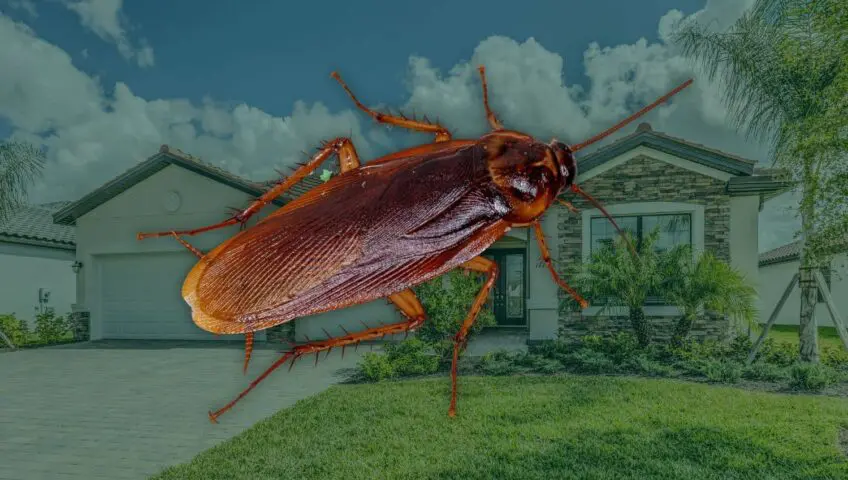
Palmetto bugs are one of the most common pest complaints in Brevard County, and getting rid of them starts with cutting off what’s drawing them in: moisture, food, and easy entry points into your home.
At Slug-A-Bug, we’ve been helping Florida families deal with these oversized roaches since 1982, and the good news is that most infestations can be stopped before they get out of hand. This guide covers what palmetto bugs are, what attracts them, and the steps you can take right now to drive them out.
What Is a Palmetto Bug?
“Palmetto bug” is a regional nickname used throughout Florida for certain large species of cockroaches. The name comes from their habit of hiding under the broad leaves of palmetto trees, but they’re just as happy under your kitchen sink.
Palmetto Bug vs. Cockroach: Is There a Difference?
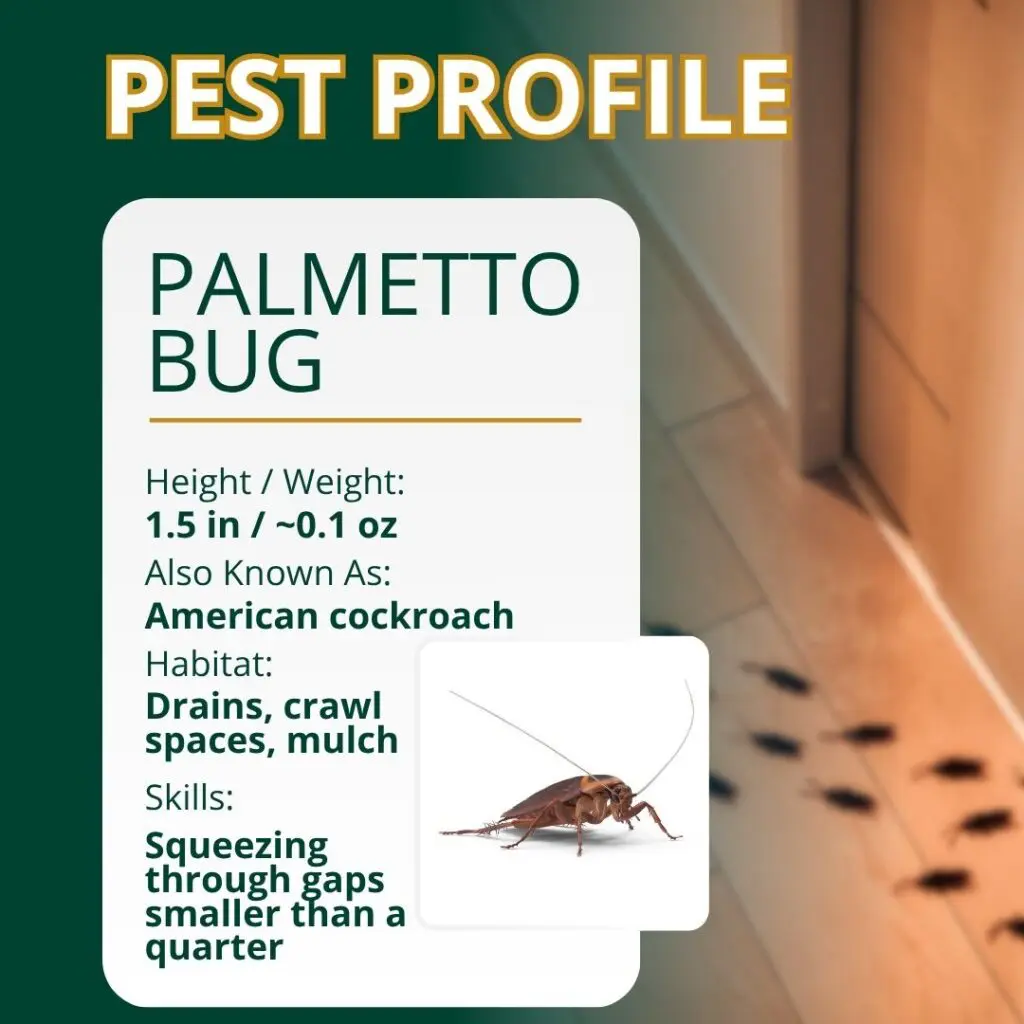
Not really. A palmetto bug is a cockroach. The term is a catch-all used in the Southeast to describe a few specific species. In Florida, when someone says “palmetto bug,” they usually mean the American cockroach, though the name can apply to two other species as well.
Which Species Are Common in Brevard County?
Three species most often show up in Brevard County homes:
- American cockroach: The most common indoor offender. Reddish-brown, up to 1.5 inches long, and capable of flying (though they usually don’t).
- Smokybrown cockroach: Darker and slightly smaller. Attracted to outdoor lights and often found in attics or soffit areas.
- Florida woods cockroach: Slower-moving, wingless, and known for a foul odor that earned it the nickname “stink roach.” It rarely infests indoors but can end up inside when carried in on firewood or plant containers.
Knowing which species you’re dealing with matters because treatment approaches can differ slightly. A Brevard County pest control assessment is the fastest way to get a confirmed ID.
What Attracts Palmetto Bugs to Your Home?
Palmetto bugs need three things to settle in: moisture, food, and shelter. Florida’s humidity already gives them two of those by default.
- Moisture is the biggest driver. Leaky pipes under sinks, standing water in flowerpots, clogged gutters, and even high crawl space humidity create conditions these bugs can’t resist. Per the EPA’s guidance on cockroach prevention, eliminating moisture sources is one of the most effective steps a homeowner can take.
- Food access keeps them around. They’ll eat almost anything: crumbs, pet food, grease buildup near the stove, even cardboard and book bindings. Trash cans without lids, unsecured pet food bowls left outside overnight, and food debris under appliances are common culprits.
- Outdoor harborage is what brings them to your property in the first place. Mulch piled against the foundation, leaf litter, woodpiles near the house, and overgrown shrubs all create the damp, dark shelter that palmetto bugs love. Once they’re comfortable in the yard, it doesn’t take much to draw them in.
Signs You Have a Palmetto Bug Problem
Palmetto bugs are nocturnal. Seeing one during the day is often a sign that the population has grown large enough that they’re being pushed out of their usual hiding spots. Watch for these signs:
- Droppings: Dark, cylindrical, about the size of a grain of rice. Found along baseboards, inside cabinets, and behind appliances.
- Egg casings (ootheca): Brown, capsule-shaped casings about a quarter inch long, usually tucked in dark corners or near baseboards.
- Shed skins: Palmetto bugs shed as they grow. Finding these in multiple spots points to active breeding.
- Musty odor: A lingering oily smell in warm or damp areas, especially under sinks or near floor drains.
- Live sightings at night: One or two at night can be normal in Florida. Multiple sightings per week, or any during the day, warrant a closer look.
Moisture problems in your home’s structure can also create ideal conditions. Ground moisture rising from unprotected crawl spaces is a common driver of pest activity that often goes undetected until visible signs appear indoors.
How to Get Rid of Palmetto Bugs: Step-by-Step
Getting rid of palmetto bugs takes more than a can of spray. These are large-bodied, outdoor-origin pests. The goal is to make your home and yard as unappealing as possible while eliminating the ones already inside.
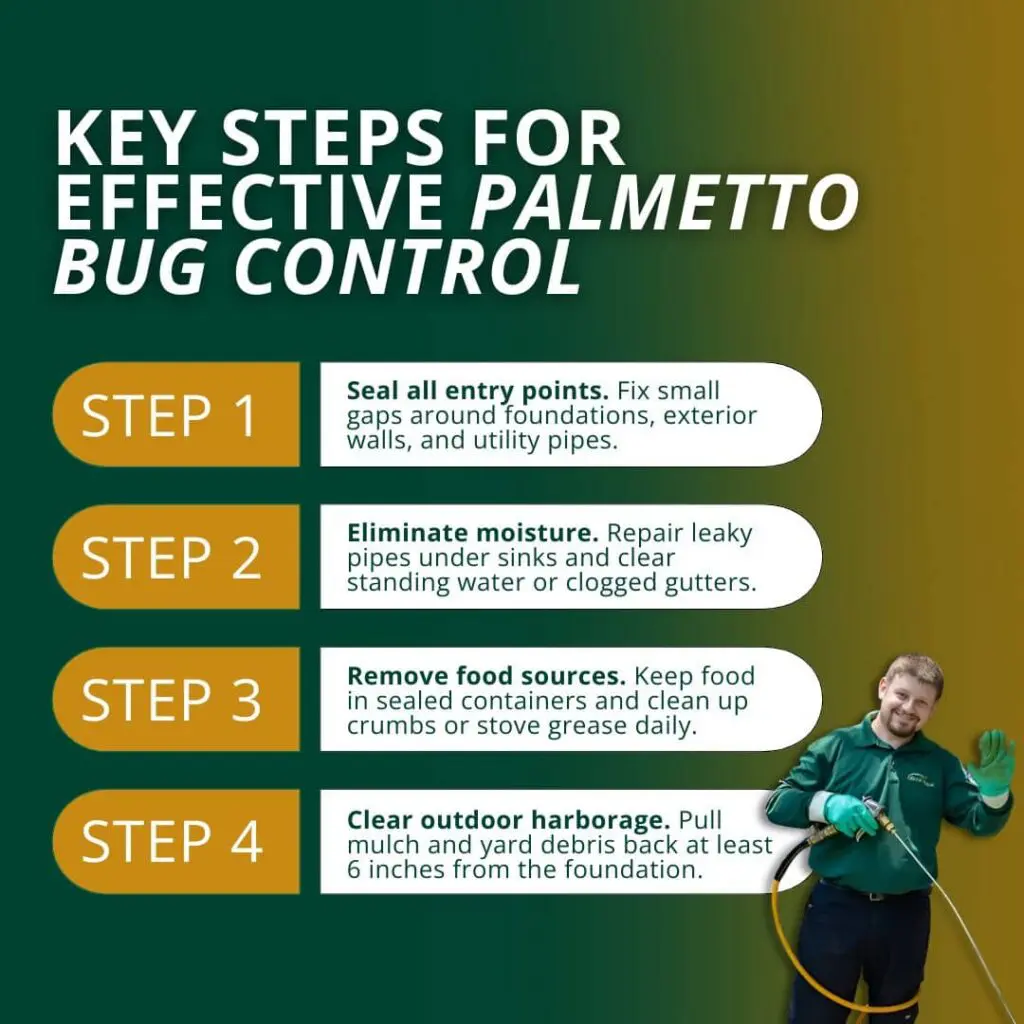
Step 1: Seal Entry Points
Palmetto bugs can compress their bodies to squeeze through gaps less than a quarter inch wide. Go around your home and address:
- Cracks in the foundation or exterior walls
- Gaps around utility pipes, cables, and conduit
- Damaged door sweeps and weatherstripping
- Torn or ill-fitting window screens
- Uncapped sewer vents and drain openings
Use caulk for small cracks, foam sealant for larger gaps around pipes, and door sweeps for gaps under exterior doors.
Step 2: Remove Food and Water Sources
- Fix all leaky pipes and dripping faucets immediately
- Keep food in sealed containers; don’t leave anything out overnight
- Clean under and behind appliances regularly (grease and crumb buildup is a feast)
- Use trash cans with tight-fitting lids, and move outdoor bins away from the foundation
- Place drain covers or plugs in bathroom and shower drains when not in use
- Run a dehumidifier in crawl spaces, basements, or any chronically damp area
Step 3: Clean Up Outdoor Harborage Spots
- Keep mulch pulled back at least 6 inches from the foundation
- Remove leaf litter, old wood, and debris piles from the yard
- Trim shrubs and branches that touch or overhang the exterior walls
- Move firewood storage away from the house, and elevate it off the ground
- Don’t leave pet food or water bowls outside overnight
Step 4: Use Targeted Treatments
For DIY control between professional treatments, a few options can help manage small populations:
- Boric acid: Placed in thin layers in cracks, behind baseboards, and along known travel paths. Effective but requires repeated application and should be kept away from pets and children.
- Gel bait: Applied in small dots inside cabinets, under appliances, and near baseboards. Roaches carry the bait back to the harborage, which can reduce the population over time.
- Diatomaceous earth (food grade): Dusted into wall voids and crawl spaces. Works by drying out the insect’s exoskeleton on contact.
Avoid broadcast sprays as your primary treatment. Spot-spraying tends to scatter roaches deeper into the walls rather than eliminating them.
Related Questions to Explore
Can palmetto bugs fly? Yes, but most of the time they don’t. Palmetto bugs have wings and are physically capable of flight, but they usually use them for short glides rather than sustained flying. Smoky brown cockroaches are the most likely of the three common species to fly toward lights at night. American cockroaches can fly but prefer to run.
What is the difference between a palmetto bug and a cockroach? There is no scientific difference. “Palmetto bug” is a regional nickname used in the Southeast, particularly in Florida, for a large species of cockroach. The term most often refers to the American cockroach, but can include the smokybrown and Florida woods cockroach as well. For more on identifying common roaches in Florida, see our guide to cockroach treatments in Brevard County.
How do I know if I have a palmetto bug infestation? Signs include droppings resembling dark grains of rice, brown egg casings tucked in corners, shed skins, a musty, oily smell in damp areas, and live sightings during daylight hours. Seeing one or two at night in a Florida home is common, but daily sightings or any daytime activity usually mean the population has grown beyond normal.
Are palmetto bugs dangerous? They’re not dangerous in the way a venomous pest would be, but they do pose health risks. Palmetto bugs carry bacteria like Salmonella and E. coli on their bodies and can contaminate food surfaces. Their droppings, shed skins, and saliva contain allergens that can worsen asthma and trigger allergic reactions, especially in children and anyone with respiratory sensitivities.
What smell keeps palmetto bugs away? Peppermint oil is the most cited natural repellent. A diluted spray applied to entry points and hiding areas can deter new roaches from settling in. It’s not a treatment for an active infestation, but it can help after elimination measures are in place. Cedar, eucalyptus, and bay leaves are also mentioned in pest control literature, though with less supporting evidence.
When to Call a Professional
DIY steps can slow down a palmetto bug problem, but they rarely eliminate one that’s already established. Here’s when it’s time to stop and call in a professional:
- You’re seeing palmetto bugs during daylight hours
- You’ve found egg casings in multiple spots around the home
- The sightings keep coming back despite cleaning and sealing efforts
- You have small children, pets, or household members with asthma who are at elevated risk from allergens
- You’re not sure whether you’re dealing with palmetto bugs, German cockroaches, or a different species entirely (the treatment approach differs)
Slug-A-Bug offers free pest assessments for Brevard County homeowners. Our quarterly treatment program creates an exterior barrier that stops pests before they get inside, and if palmetto bugs break through, we treat the interior at no extra charge. Get in contact with our team to ask questions or request a free estimate. We’ll figure out what you’re dealing with and get it handled.

Conclusion
Palmetto bugs are a fact of life in Florida, but they don’t have to be a fact of life inside your home. The short version:
- Seal entry points around your foundation, pipes, and doors
- Eliminate moisture and food sources inside and outside the home
- Clean up yard debris and pull mulch away from the foundation
- Use targeted treatments like boric acid or gel bait for active populations
- Call a professional when sightings are frequent, egg casings are present, or DIY steps aren’t working
Slug-A-Bug has been serving Brevard County families since 1982.
If you’re dealing with palmetto bugs or other pests, we’re here to help.
